Recent economic data has delivered encouraging news for the White House ahead of President
Donald Trump’s State of the Union address, with consumer confidence posting a strong increase, particularly among independent voters. This rise suggests improving optimism beyond traditional partisan lines, a development seen as a positive signal for economic stability.
According to the latest figures from the Conference Board, expectations about jobs and income have improved, and finding employment has become slightly easier. Unemployment claims remain historically low, reinforcing signs that the labor market is gradually healing. Even
CNN has acknowledged that the U.S. economy appears “surprisingly strong,” despite ongoing political and policy debates.
Economists emphasize that small businesses are playing a crucial role in this recovery. Companies with fewer than 500 employees account for the vast majority of job creation in the United States, yet often receive limited attention from Wall Street. Improved hiring intentions among these businesses indicate growing confidence at the grassroots level of the economy.
While concerns remain around tariffs, government shutdown risks, and artificial intelligence, experts argue that much of the turmoil is surface-level. Beneath it, economic fundamentals are strengthening. GDP growth, which averaged around 2.5 percent last year, is expected to accelerate as the effects of easier monetary policy and fiscal support take hold.
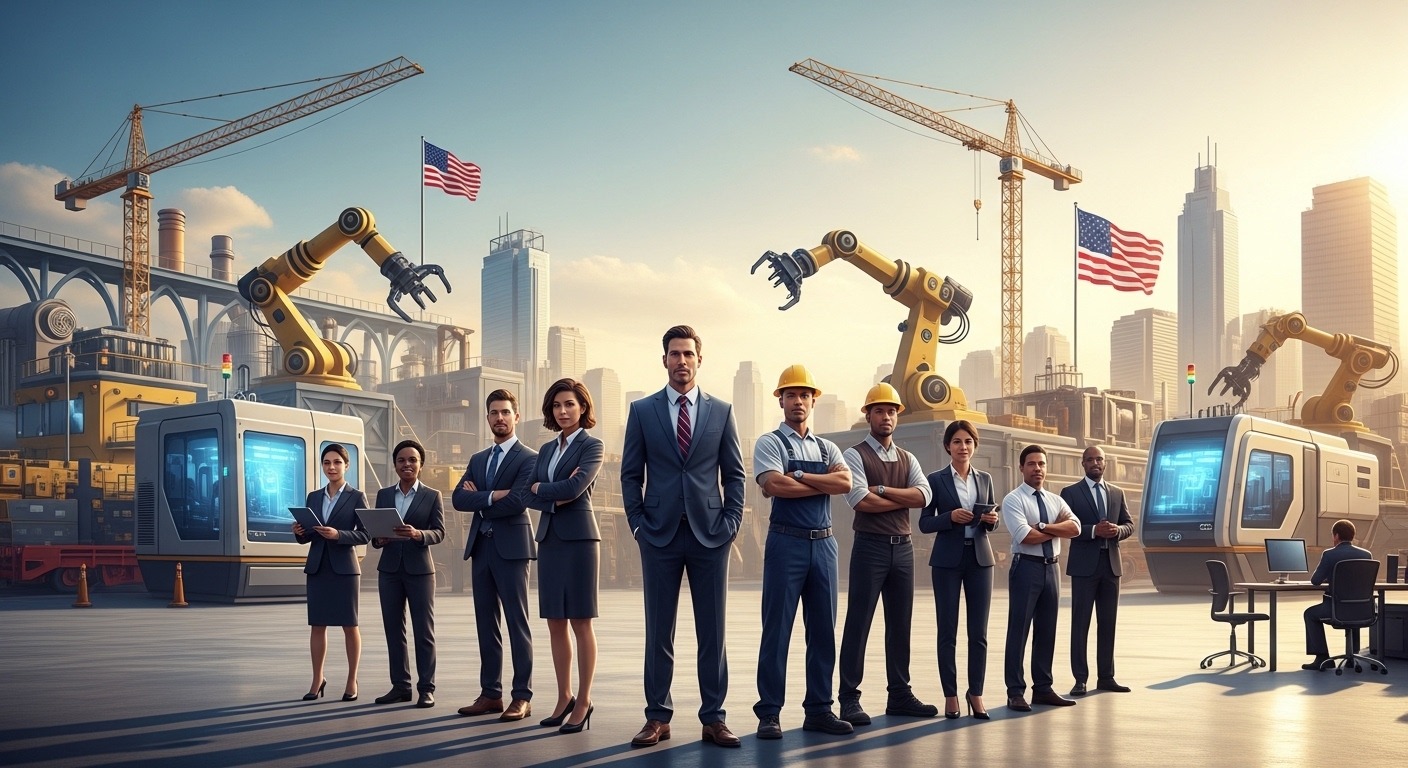
Manufacturing is also showing renewed momentum. Lower interest rates, expanded capital expenditure incentives, and onshoring policies are encouraging companies to invest domestically. Recent announcements, including
Apple expanding production in Texas, are seen as evidence of a broader manufacturing revival.
Concerns about artificial intelligence replacing jobs persist, particularly in white-collar sectors. However, economists argue that AI-driven disruption is a normal phase of technological change. While some roles may disappear, innovation historically creates new industries and employment opportunities, often leading to higher productivity and long-term job growth.
Overall, analysts believe the U.S. economy is transitioning toward a healthier and more balanced phase, with improving labor conditions, rising consumer confidence, and a stronger manufacturing base setting the stage for sustainable growth in the coming years.